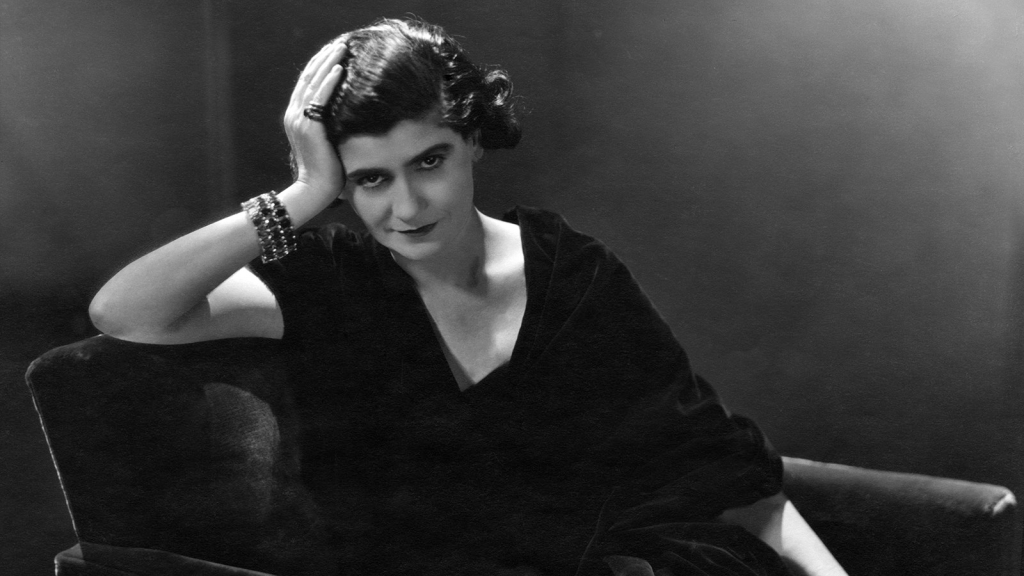
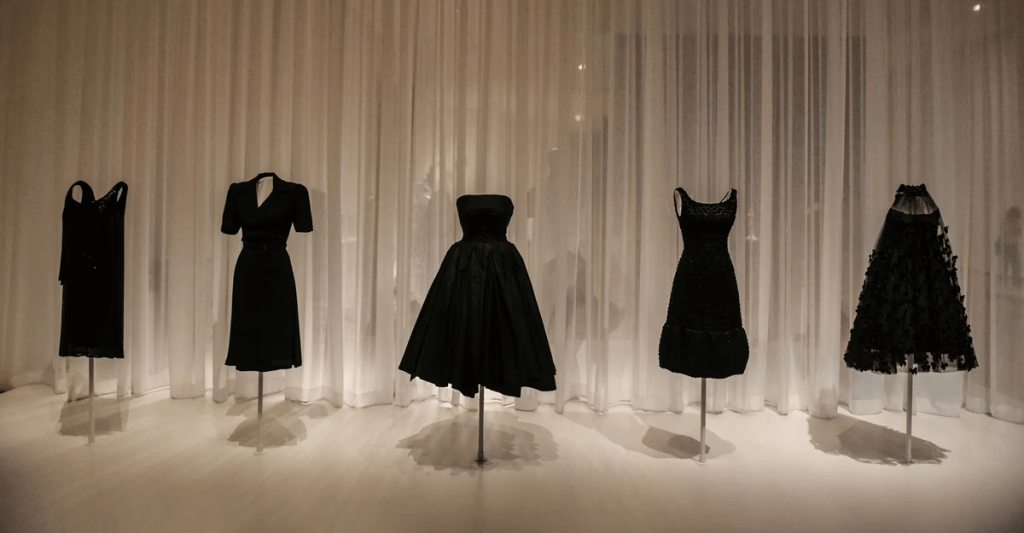
Everyone knows the House of Chanel, whether they realize it or not. Chanel no. 5? You have likely smelled it in passing a thousand times, or seen the bottle in ads on TV. Little Black Dress? You probably have one, or have borrowed one from a friend’s closet. Have you seen Kristen Stewart, Nicole Kidman, or Margot Robbie on red carpets any time in the last few years? Yeah, they were dressed by Chanel. It doesn’t matter if you are a fashion enthusiast or not, Chanel is everywhere. You see a black and white purse or suit and intrinsically think of Chanel whether you like it or not.
But, do you really know Chanel? Gabrielle “Coco” Chanel was born into poverty in the French countryside. At 11 years old, she was sent to an orphanage in central France, which is where she learned to sew. Over time, she worked her way up from seamstress to boutique owner, opening her storefront in the Normandy region of France. By 1926, she had picked up speed with her boutique, and revolutionized the fashion industry with her popularization of the Little Black Dress. She took the common use of black for mourning and turned it into a versatile piece praised for its simplicity.
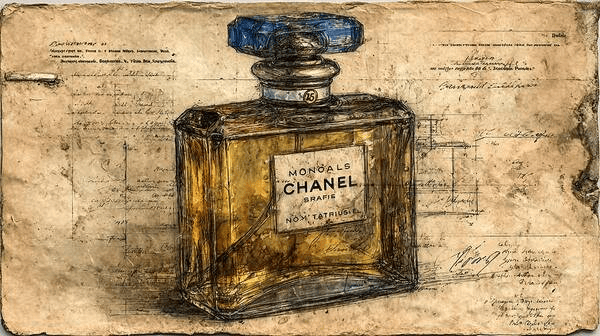
Despite the obvious success of her fashion designs, Chanel no. 5 was the basis of her financial empire. This phenomenally successful perfume was the first of its kind, as fashion designers were not known for creating their own perfume lines at this time. This is when she partnered with brothers Pierre and Paul Werthheimer of the Bourjois cosmetics company to aid in the distribution of Chanel no. 5. The brothers agreed to assist in producing her perfume with the agreement that they have a share in the profit. Unfortunately for Chanel, this agreement left her with only 10% of the royalties over her perfume.
In comes World War II. Chanel decides to close her boutique doors in 1939 with the outbreak of the World War. However, she continues living in France at the Ritz Hotel, choosing to stay even when it becomes Nazi headquarters during German occupation. During this occupation, she began a romantic relationship with a German diplomat and spy known as Spatz. Her decision to continue living at the Ritz and her relationship with Spatz put her in cahoots with social circles involving many German authorities who were part of the Paris occupation. But how far did her relations with these Germans go?

In 1941, her nephew, André, a French soldier trapped in a detention camp, was released to her custody. This was allegedly made possible through opportunistic collaboration with Nazis due to her personal relations with German authorities. This deal likely put her in debt with Nazis, requiring her to be part of any schemes they might need her for. But does it excuse her actions?
Also around this time, an initiative organized by German intelligence involving Chanel’s social connections to British officials began forming. Known as Operation Modellhut, the initiative was meant to use Chanel’s connections with Prime Minister Churchill as an attempt to begin peace relations between Germany and Great Britain. When making this plan, German intelligence did not account for the fact that Chanel’s personal relationship with Churchill involved her severed friendship with English aristocrat Vera Lombardi. Upon finding this out, German officials kidnapped Lombardi to bring her to Chanel in hopes of using her to get Chanel a meeting with Churchill. As Lombardi and Chanel travelled to Madrid to see Churchill, Lombardi became aware of Chanel’s intentions and alerted British authorities upon arrival in Madrid. Chanel never faced issues with the British authorities as they viewed the idea impossible to be true due to Chanel being of such low political importance, but sent her off without a visit with Churchill. Nothing ever came of Operation Modellhut.
Some argue that Chanel never intended to use Nazi regime to her advantage, and was only pushed to be involved due to her debt owed from saving her nephew. However, during Nazi regime, she attempted to use Aryan law to regain full control of her Chanel no. 5 royalties from the grasp of the Wetheimer brothers who were Jewish and now living in New York City. However, her efforts were pointless as the brothers had already transferred their ownership to a non-Jewish associate. Her willingness to exploit Aryan law for personal gain might not show a complete political commitment to Nazi ideology, but it certainly shows she was willing to put morals aside for personal gain. She also continued to live at the Ritz Hotel and continued her relationship with German diplomat and spy, Spatz, for several years throughout the rest of the War.
When Nazi occupation ended and French troops began to restore authority over the country, Chanel was briefly arrested as a collaborator with the Nazis. She was released after questioning, and used this opportunity to move to Switzerland in exile. During this time, she continued her personal relations with Spatz.
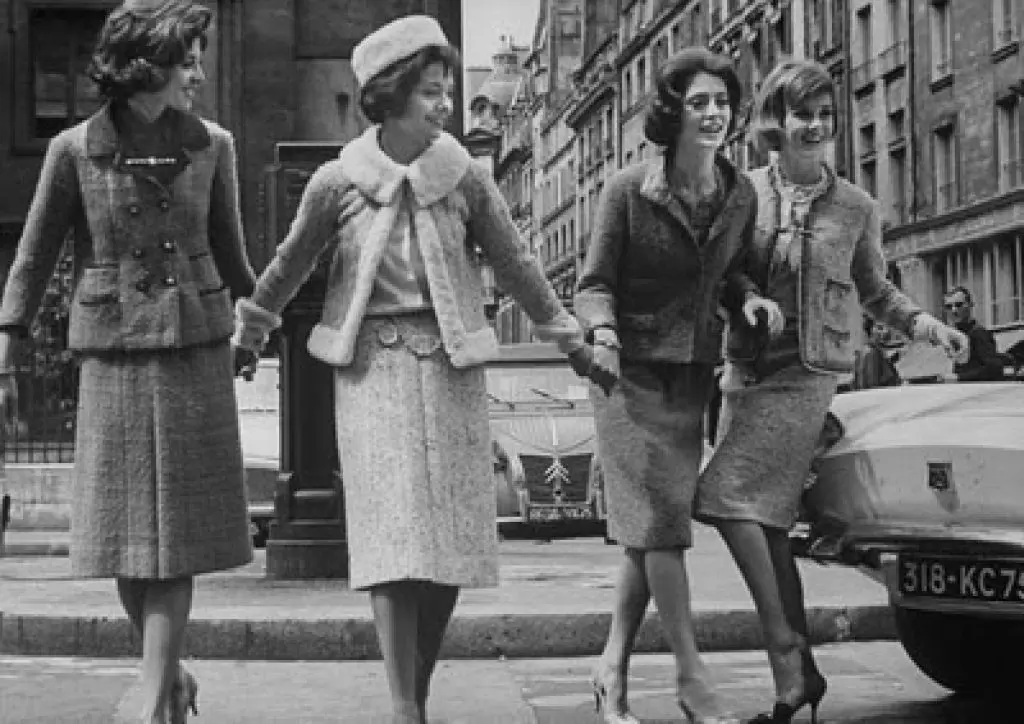
In 1954, she moved back to France to reopen her couture house after French fashion had been revolutionized by Christian Dior’s New Look. Chanel did not enjoy this new fashion, feeling as though Dior was moving fashion backwards through his over-feminization of women. With the introduction of new fashion pieces and her first fashion show in 15 years, which proved highly popular in America, Chanel reclaimed her place in fashion.
So why does she continue to have such a renowned place in fashion history despite her collaboration with Nazi spies? Well, a lot of this information regarding her involvement was only recently exposed, and it was likely that the other countries in which her fashion lines proved so popular had no clue about her arrest and her temporary exile. A lot of it has to do with the brand having a highly rewarding public relations team. When Chanel was alive, most of this information was not highly available to the public, and when she died, obituaries were of course not going to mention her Nazi involvement. While alive, she was still known for her British royal connections, which of course protected her character. There are also politics within the fashion industry to think about. The Wertheimers still had major shares in the company, and they wanted to keep the business thriving. Rather than announcing her involvement in WWII and her attempt to use Aryan laws against them, they would rather continue working with her in order to keep their business in good standing. Sometimes the power of a luxury brand is all you need to stay in good standing with the world, despite your highly controversial past.


Leave a Reply